Most Georgetown homeowners think about their HVAC system the moment it gets hot. But there is a problem that builds up quietly every June that has nothing to do with how cold your house gets: your indoor air quality.
June in Georgetown means closed windows, maximum AC runtime, and very little fresh air exchange. That combination creates conditions where allergens, dust, humidity, and airborne particles accumulate inside your home faster than any other month of the year.
Why June Is the Problem Month
When temperatures hit the mid-90s, most Georgetown families keep their homes sealed tight. Your AC runs for 10, 12, even 16 hours a day. That means the same air keeps circulating through the same filters, picking up the same particles, over and over.
At the same time, June brings elevated pollen counts from cedar, oak, and grass. If your filters are not clean or your system lacks proper filtration, those particles make it indoors every time someone opens a door. For families with asthma, allergies, or young children, this is not just uncomfortable. It can trigger real health responses.
Humidity is the other June factor that most homeowners overlook. Georgetown's humidity tends to spike in June before the driest part of summer arrives. High indoor humidity creates the perfect environment for mold growth inside your ductwork and around your air handler. Once mold is in the system, it circulates throughout your home every time the AC runs.
What Actually Improves Indoor Air Quality
There are four practical steps that make a real difference in Georgetown homes:
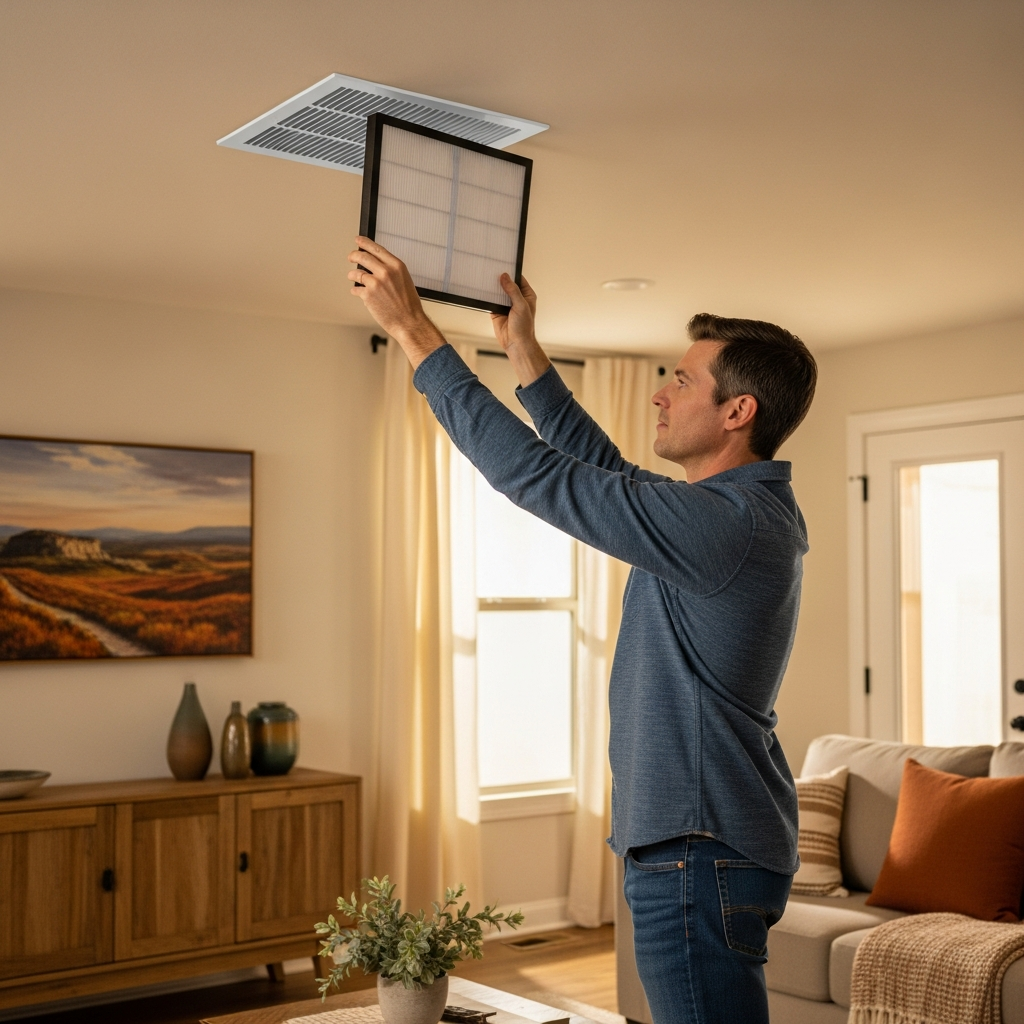
Replace your filter monthly in summer. A standard 1-inch filter clogs faster when your system runs constantly. A clogged filter restricts airflow, reduces system efficiency, and stops catching the particles it is designed to remove. In June, check your filter every three to four weeks.
Consider a higher-MERV filter. Standard filters catch large debris. MERV 11 or MERV 13 filters catch much finer particles including pet dander, pollen, and some bacteria. Talk to your HVAC technician before upgrading, because higher-MERV filters can restrict airflow in systems not designed for them.
Look into a whole-home air purifier or UV light system. Installed directly into your air handler, UV light systems neutralize biological contaminants including mold spores, bacteria, and some viruses as air passes through. These are not gimmicks. Hospitals use UV technology for a reason.
Have your ductwork inspected. Leaky or dirty ducts pull air from attics and crawl spaces, bringing in dust, insulation particles, and outdoor allergens. A duct inspection can reveal problems that no filter can fix.
A Word from Michael
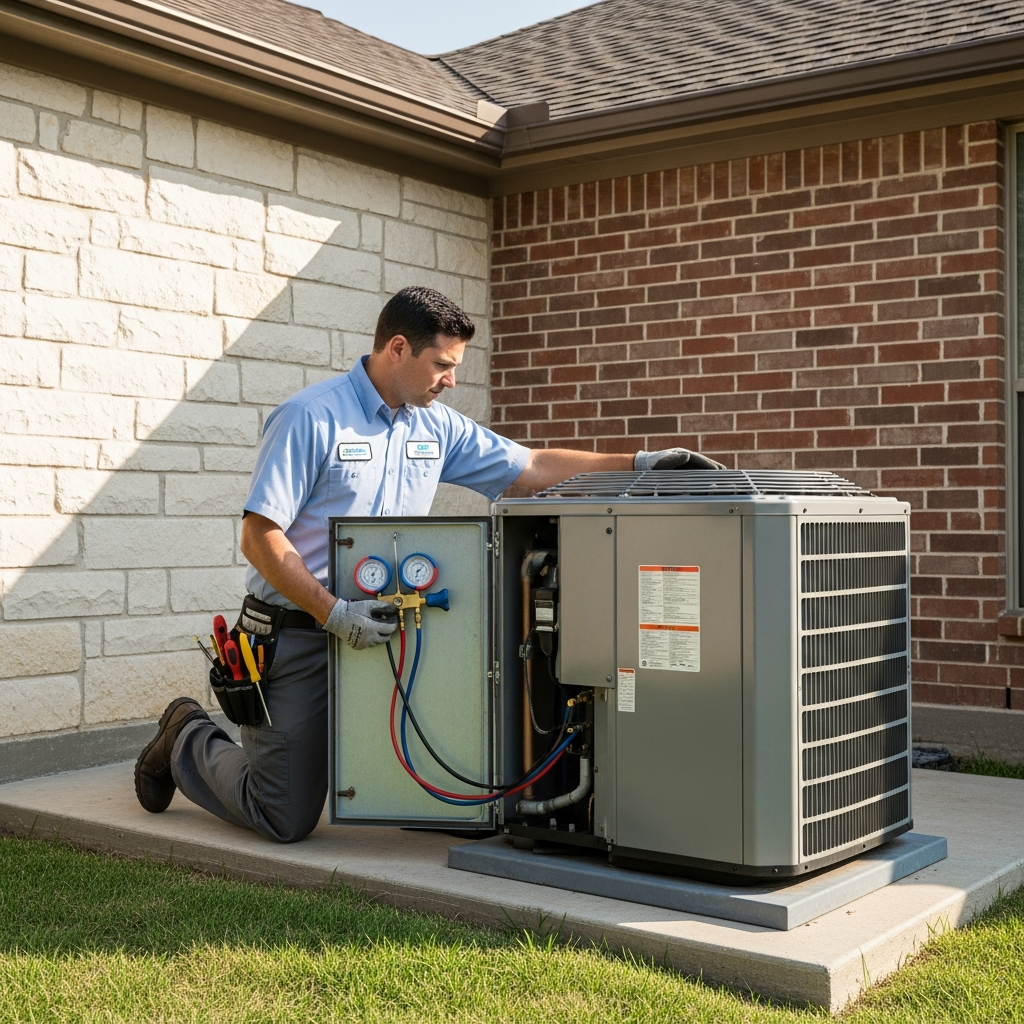
When I go into Georgetown homes, one of the first things I check is the filter and the air handler. You would be surprised how often I find a filter that has not been changed since winter. By June, that filter is completely saturated. Your system is working twice as hard and delivering half the air quality. A five-minute filter change makes a bigger difference than most people realize.
If your family is sneezing more, sleeping worse, or you smell something musty when the AC kicks on, your indoor air quality is telling you something. Give us a call and we will take a look at the whole system, not just the thermostat.